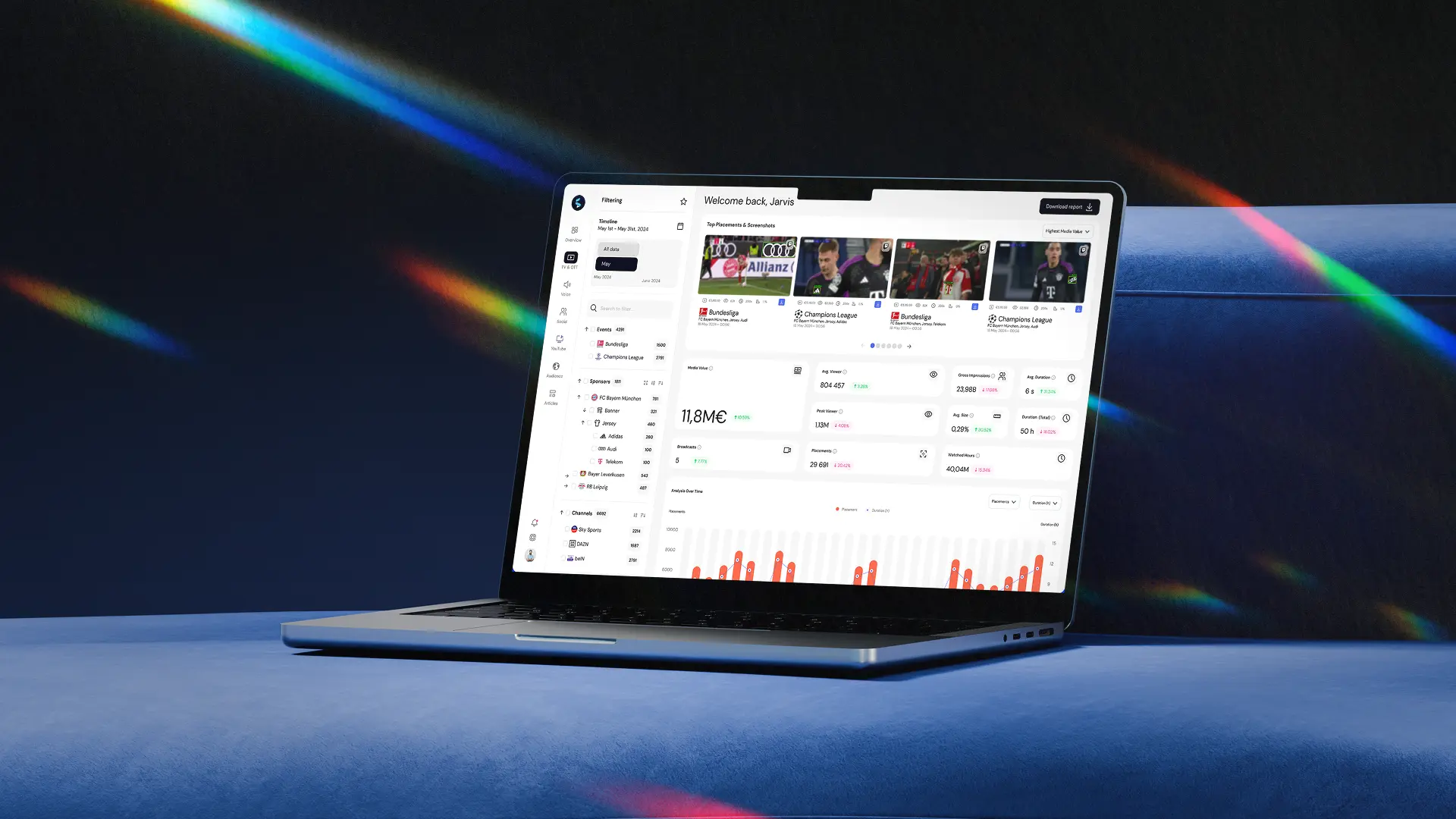

Shortlisting a sponsorship measurement platform in 2026 is harder than it should be. The market has filled with AI-driven tools that all promise the same thing, and the labels have blurred: analytics, intelligence, management, measurement, often on products that do very different jobs.
The vendor that tracks every broadcast frame and the one that mainly logs contracts can look the same in a pitch deck. The difference only shows once you know which questions to ask.
These are the ones that matter.
Measurement platform vs management software
Start by separating two things the market loves to blur. Sponsorship management software runs the commercial side of a partnership: the pipeline, the contracts, the invoicing, the approvals. It keeps deals organised.
A sponsorship measurement platform does something different. It tracks where a brand actually appears across broadcast, social and everywhere else, then turns that exposure into a value you can put in front of a sponsor.
Both are useful, and the trouble only starts when a management tool bolts on a dashboard and calls it measurement. The two answer different questions. One tells you what you sold; the other tells you what it was worth.
If your goal is to prove ROI, you are shopping for the second, and plenty of buyers only notice the gap when a renewal arrives and the numbers are not there.
What to look for in a measurement platform
Once you know you want a measurement platform, the shortlist still looks crowded. These seven questions do most of the filtering.
Channel coverage
Your brand does not appear in one place, so your measurement cannot either. Look for a platform that tracks broadcast and streaming, social, print, audio and in-venue signage in a single view. Anything that covers only social or only TV leaves exposure unattributed, and unattributed exposure is value you can never bill for.
What that breadth looks like at scale: for the 2026 World Cup we followed all 48 teams across broadcast and social, and traced exactly where the value pooled.
Detection method and accuracy
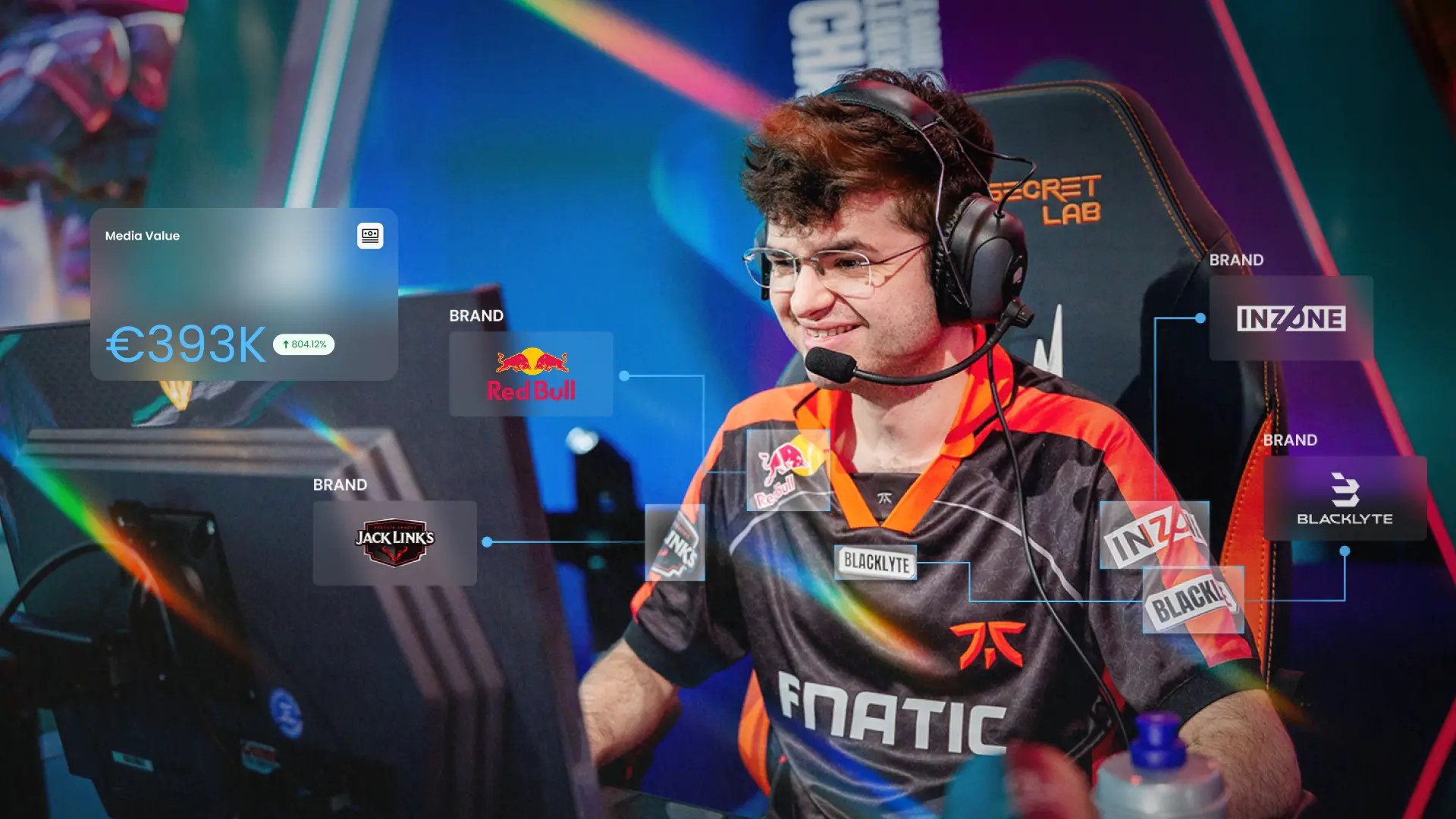
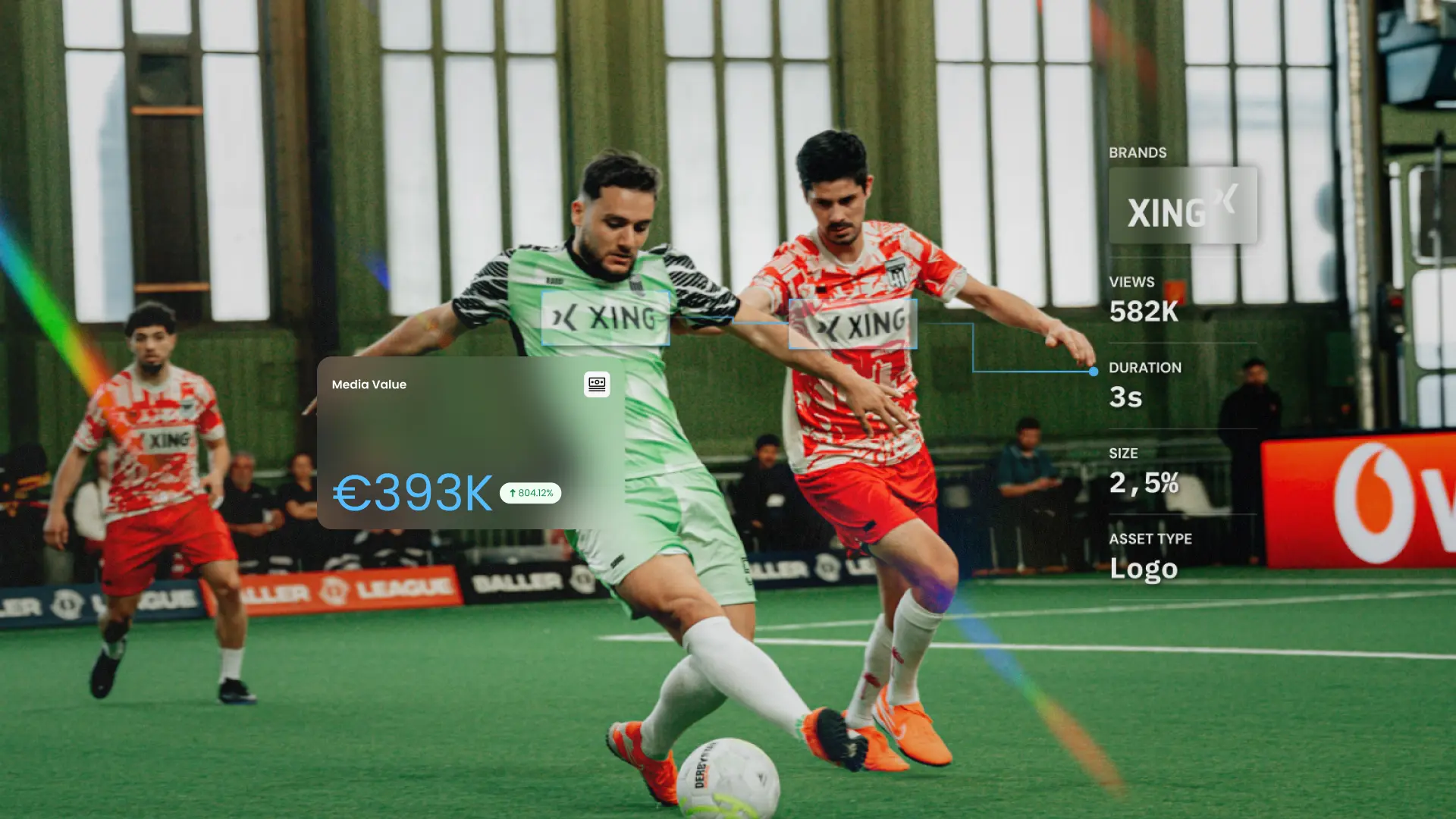
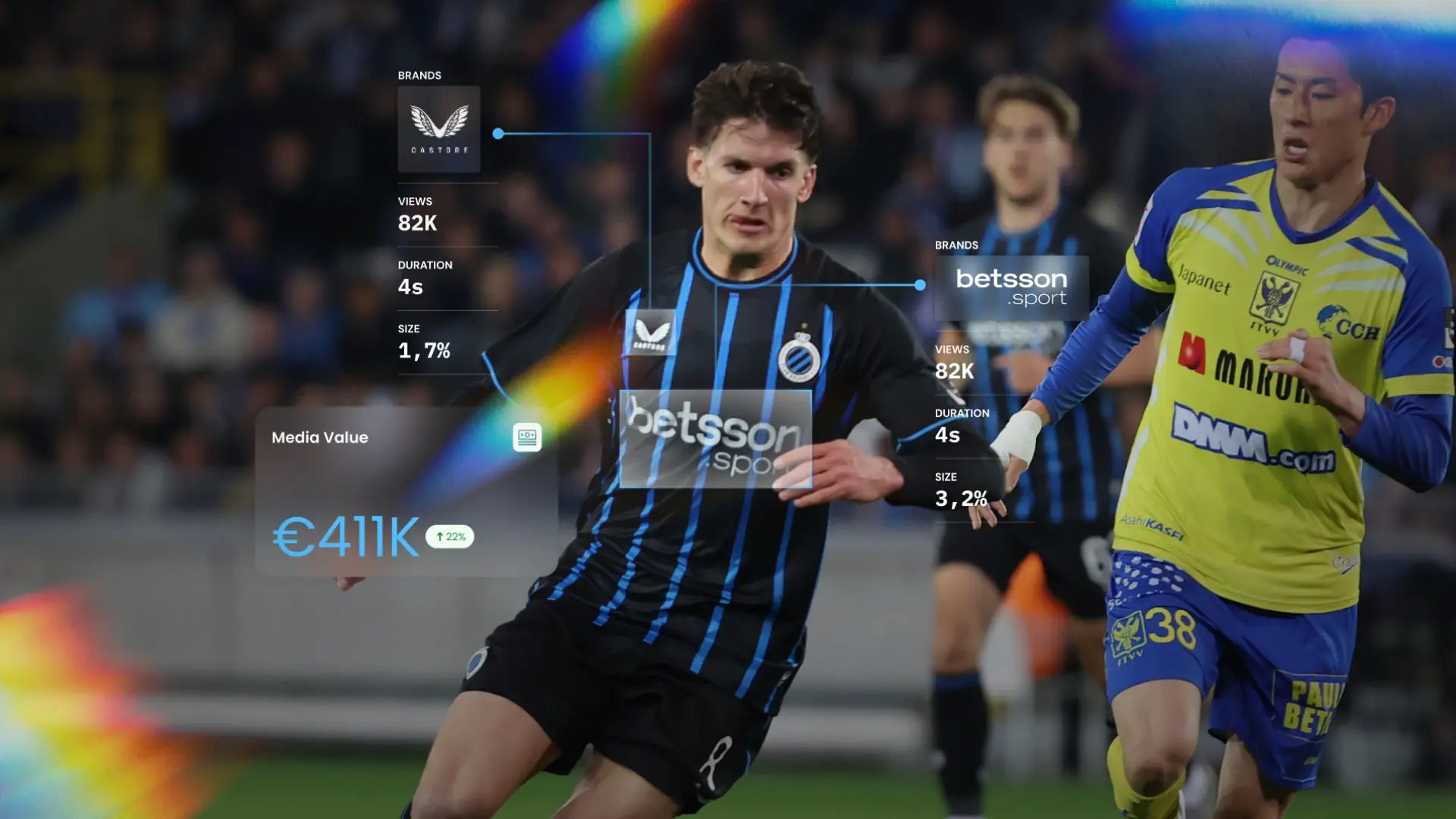
Ask how the platform actually sees a brand. The strongest tools pair AI computer vision for logos and on-screen graphics with audio detection for spoken mentions, capturing the visual, audible and legible exposure a partnership generates. Then pressure-test accuracy, because a logo half-hidden in a fast, cluttered broadcast is exactly where weak detection quietly loses value.
Media-value methodology
Impressions are easy to count and easy to inflate. What you want is a media value you can defend, with a clear line from exposure to number. If a vendor cannot explain how the figure is built, or benchmark it against comparable inventory, treat the number as marketing rather than measurement.
A defensible number is easier to trust when you can see it built at scale. The Mobile Legends: Bang Bang M7 World Championship is one of the biggest events in mobile esports. And across it, Shikenso measured €158M in media value, benchmarked against the previous edition. It is a useful look at what a transparent media-value method produces in practice:
Independence and verification
There is a real difference between a rights holder's own report and independent measurement. If you are a brand, you want to verify what you were contracted against what was actually delivered, not accept delivery on trust. Independent tracking is what turns a renewal from a polite disagreement into a conversation about data.
Reporting speed and format
Measurement only helps if you can share it. Look for sponsor-ready reports you can produce in minutes, white-labelled where you need them, with benchmarking across partners and packages. A platform that needs a week of manual work per report will not survive a busy season.
Fit for your role
A club proving value, a brand auditing spend and an agency serving ten clients need the same data shown three different ways. Check that the platform is built for your role rather than retro-fitted, because the right view is what makes the data usable day to day.
Data ownership and compliance
Finally, ask where your data lives and who else can touch it. In the European market especially, GDPR compliance, EU-based hosting and no third-party resale are not nice-to-haves. Sponsor data is commercially sensitive, and a shortcut here is a risk you inherit.
Keep this checklist to hand when you sit through the next round of demos, so you are asking the same questions of every vendor:
The quickest way to see how these criteria play out is to watch a platform actually do the work. Take a look at how Shikenso turns live exposure into a sponsor-ready number.
The baseline mistake most buyers make
Measure before you sign, not after
Here is the mistake that outlasts any feature comparison: most buyers start measuring after they sign. Without a pre-deal baseline, you can only show what happened while a sponsorship ran, not what it actually changed.
Ask how a vendor handles it
A good platform lets you measure from day one and benchmark against past seasons or comparable partners, so the value you report is a real delta rather than a raw number. Ask any vendor how they handle the baseline, because the answer tells you whether they think like a measurement partner or a reporting tool.
Where Shikenso fits
One dashboard, every channel
Run those seven questions against Shikenso and this is where we land. We pull broadcast AI detection, social, streaming, print, audio and in-venue signage into a single dashboard, and our AI reads logos, branded visuals and spoken mentions frame by frame and word by word.
Exposure becomes media value automatically, in minutes, with benchmarking built in and white-label sponsor reports a click away.
Independent, role-based and EU-compliant
Because our measurement is independent, it is especially useful to the brands verifying what they actually received, who can compare contracted against delivered value rather than take a rights holder's word for it.
Rights holders, clubs, brands and agencies each get their own view of the same data. And because we are built for the European market, everything runs on GDPR-compliant, EU-based infrastructure with no third-party resale.
For agencies, the real payoff of good measurement shows up at renewal time. We pulled that story together into a short brief, if you want to see how the data carries into the conversations that keep clients.
The bottom line
The best sponsorship measurement platform is not the one with the longest feature list. It is the one that lets you walk into a renewal with numbers you can stand behind. Separate measurement from management, weigh the seven criteria against your own channels and role, and pin down the baseline before you commit.
Do that, and the shortlist mostly sorts itself. When you are ready to see where Shikenso lands on yours, book a short walkthrough and we will show you your own numbers.

Related reads


Get new insights straight to your inbox
Don’t miss out on the insights that the press and media rave about!